
World Collection

THE WORLD COLLECTION by JOHN IAN
Products born where nature is restored.
The World Collection is a production philosophy — not a seasonal drop. We place manufacturing close to Spera Impact Standard–approved environmental projects, lowering embedded emissions, creating long-term local work, and enabling transparent local offset options through Digital Impact Product Passports.
Built for integrity, not storytelling: evidence, geography, and a verifiable chain from material to restoration.
The idea
A collection model built on local restoration.
The World Collection is developed as an SDG spin-off from projects undergoing or approved under the
Spera Impact Standard. We design value chains so that restoration and production reinforce each other:
when nature regenerates, local communities gain predictable work, skills, and income — and products carry measurable proof.
The most responsible product is one produced where nature is being restored — where local people gain long-term work and where every emission can be measured, understood, and, if chosen, handled locally.
Local production, local value
Production is designed to create meaningful employment and transfer skills in the same geographies where projects operate. This builds resilient local supply chains and supports long-term livelihoods.
Measured, not claimed
Every product is traceable. Emissions are calculated and presented transparently through Digital Product Passports, with clear splits across materials, production, packaging, and transport.
Offset options stay local
If offsetting is chosen, it routes into the local project connected to the product’s geography — direct, place-based impact with reduced risk of disconnected claims.
Under evaluation
Pilot geographies. Proven before scaled.
We start with a limited number of pilot products per geography. Nothing scales before local production, quality, and traceability are proven. These are the first chapters we are actively evaluating.
Zanzibar & Tanzania
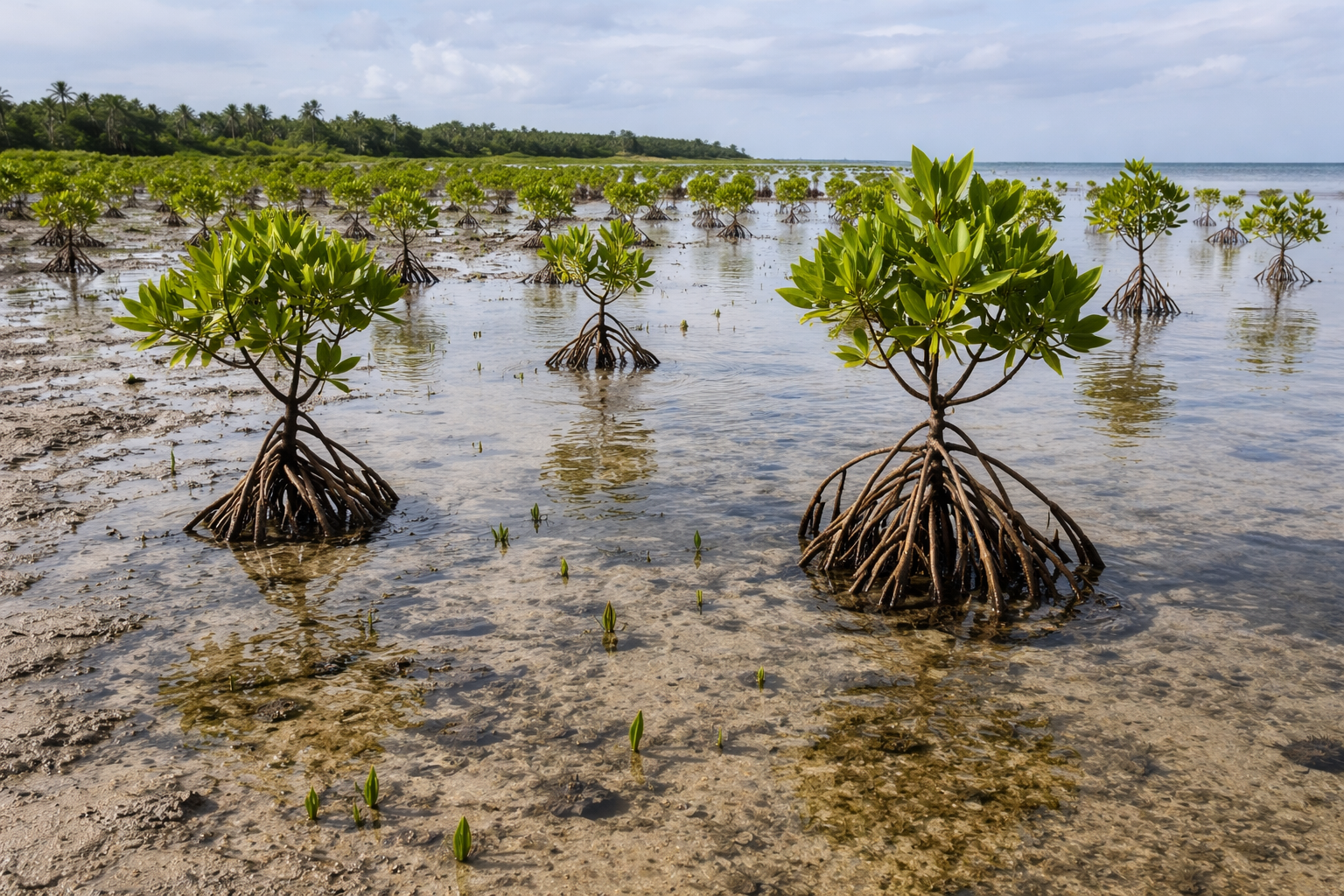
Blue Carbon & Seaweed
What we are building
- Local coastal employment through restoration and processing
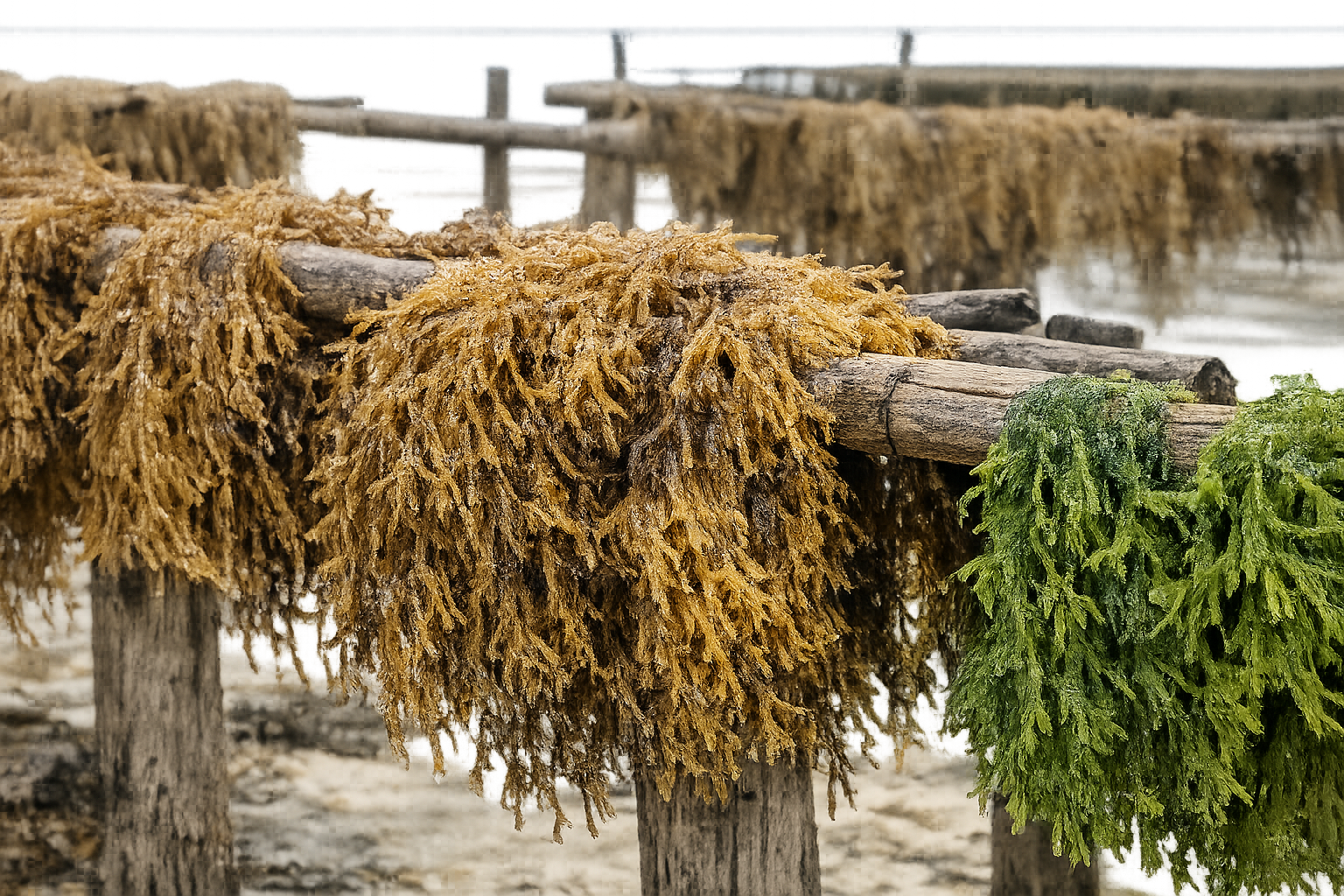
- Seaweed as a circular material: food, packaging, and bio-based ingredients
- Place-based traceability through Digital Product Passports
Pilot products under evaluation
- Seaweed-based food packaging (circular packaging pilot)
- Dried seaweed snacks and mineral blends
- Seaweed salt for kitchen use
- Seaweed-based skincare base ingredients
- Reusable kitchen wraps and sponges made from marine fibres
Kenya (Nyongoro)
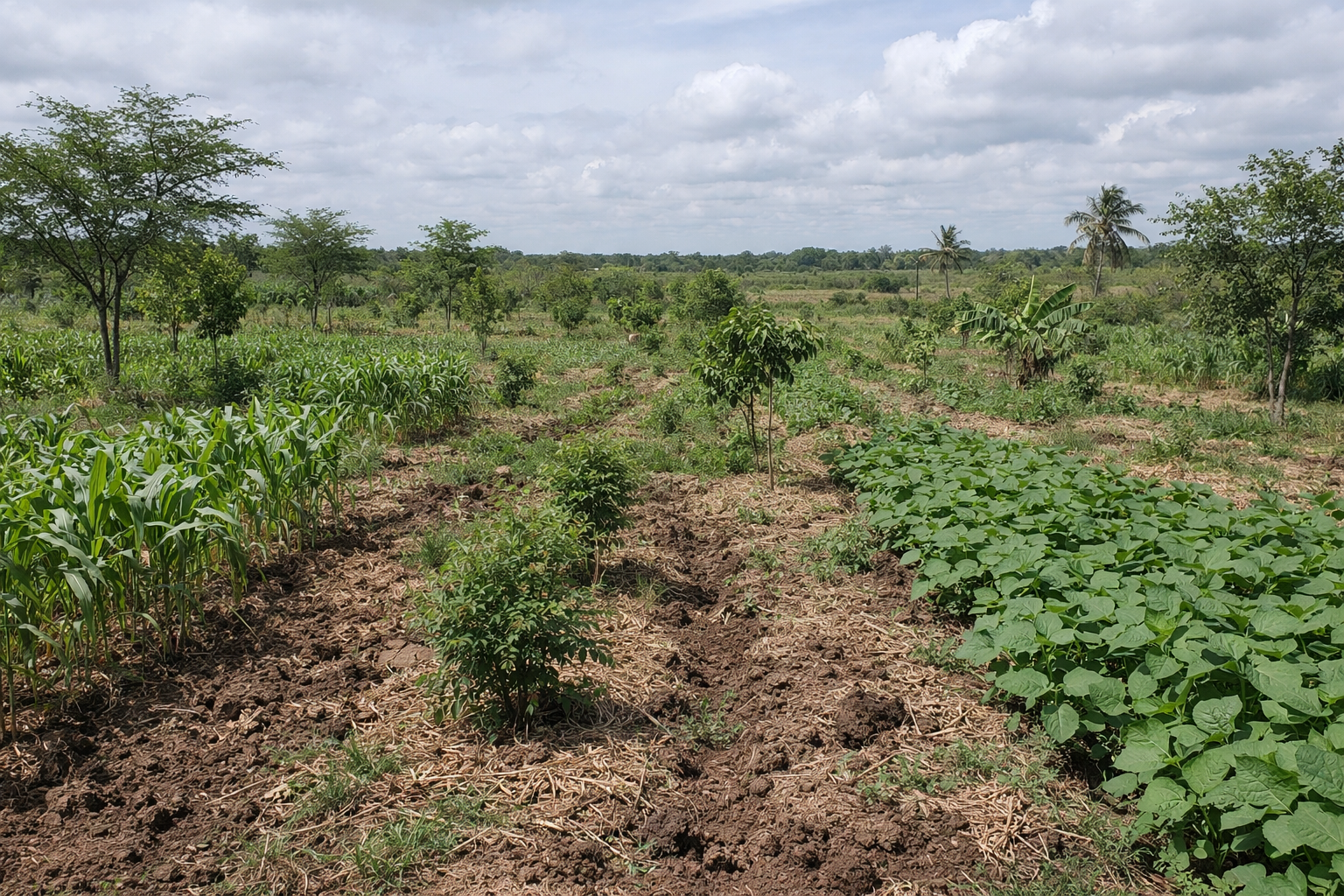
Regenerative Agroforestry
What we are building
- Soil-first agriculture integrated with long-term tree systems
- Local processing and finishing where feasible
- Durable product design: fewer, better, longer-lasting goods
Pilot products under evaluation
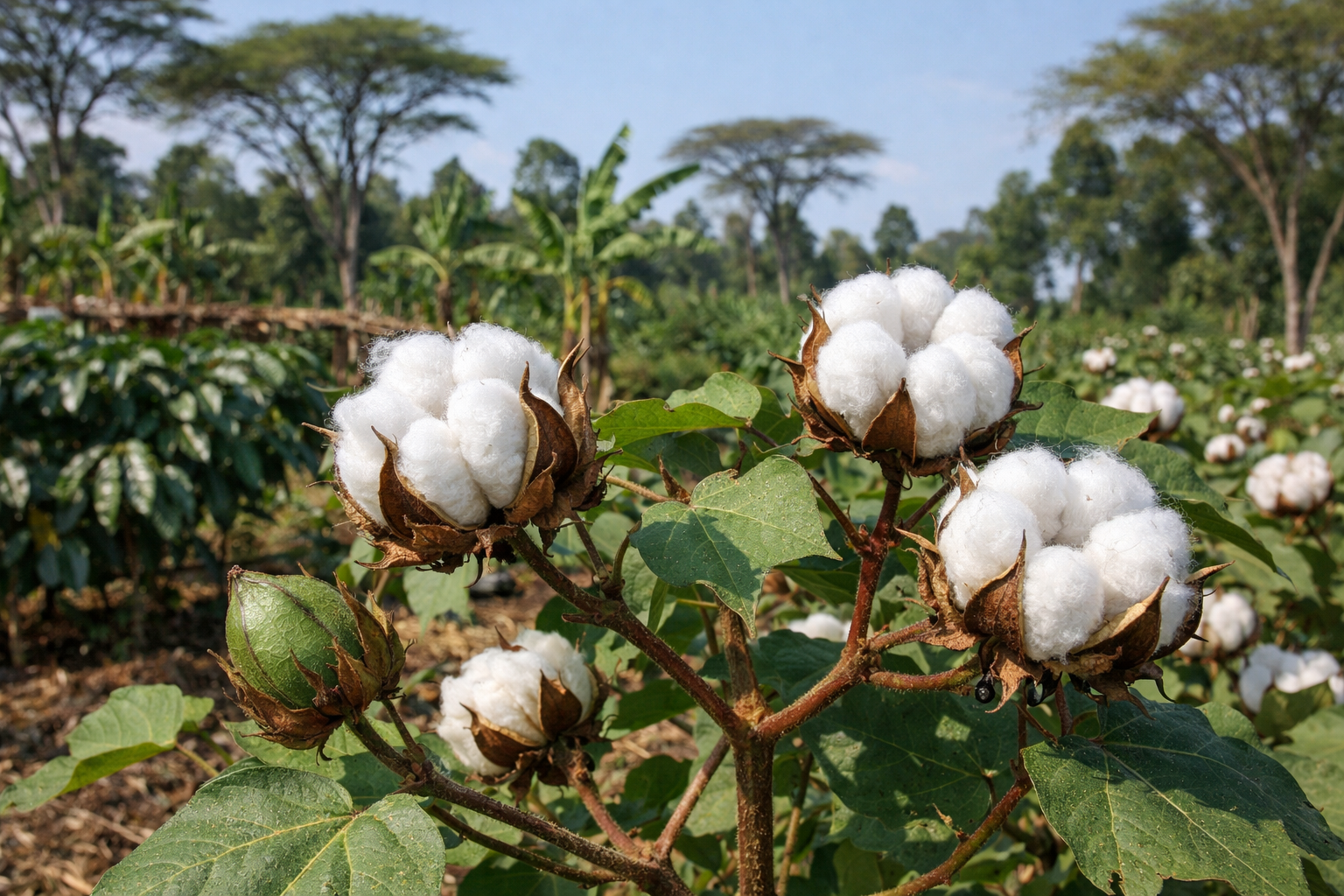
- Regenerative cotton t-shirts and everyday shirts
- Cotton kitchen textiles (towels, aprons)
- Functional powders from agroforestry crops (e.g., baobab, moringa)
- Herbal teas and botanical blends
- Durable cotton carry-totes designed for long use
Madagascar
Biodiversity & Botanicals
What we are building
- Botanical production that respects biodiversity and land integrity
- Packaging and refill concepts that reduce waste
- Traceability linking ingredients to place and practice
Pilot products under evaluation
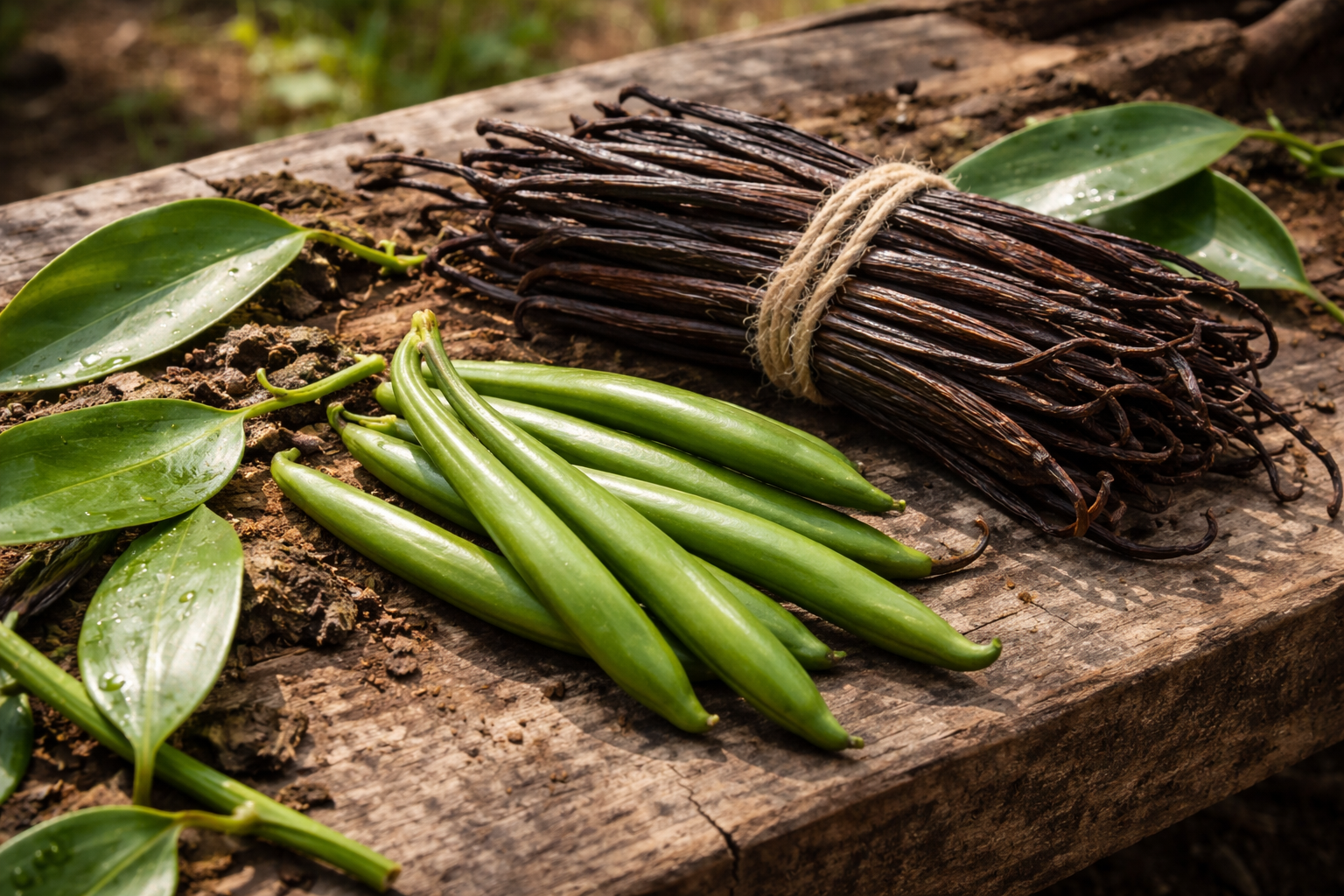
- Single-origin vanilla extract (refill system)
- Essential oils (ylang-ylang, ravintsara)
- Botanical soap bars
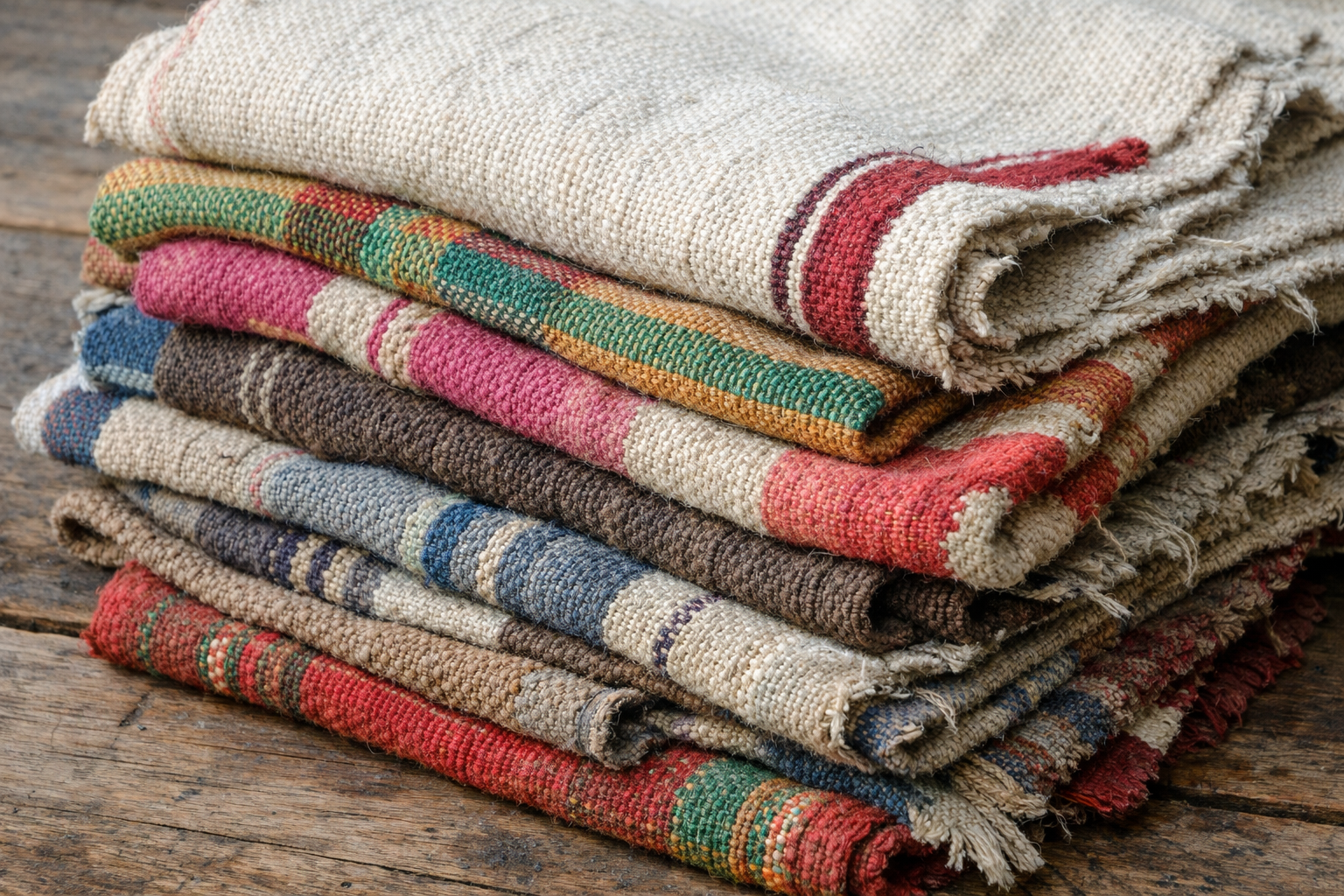
- Lightweight woven scarves and kitchen cloths
- Functional tea and infusion blends
The Philippines
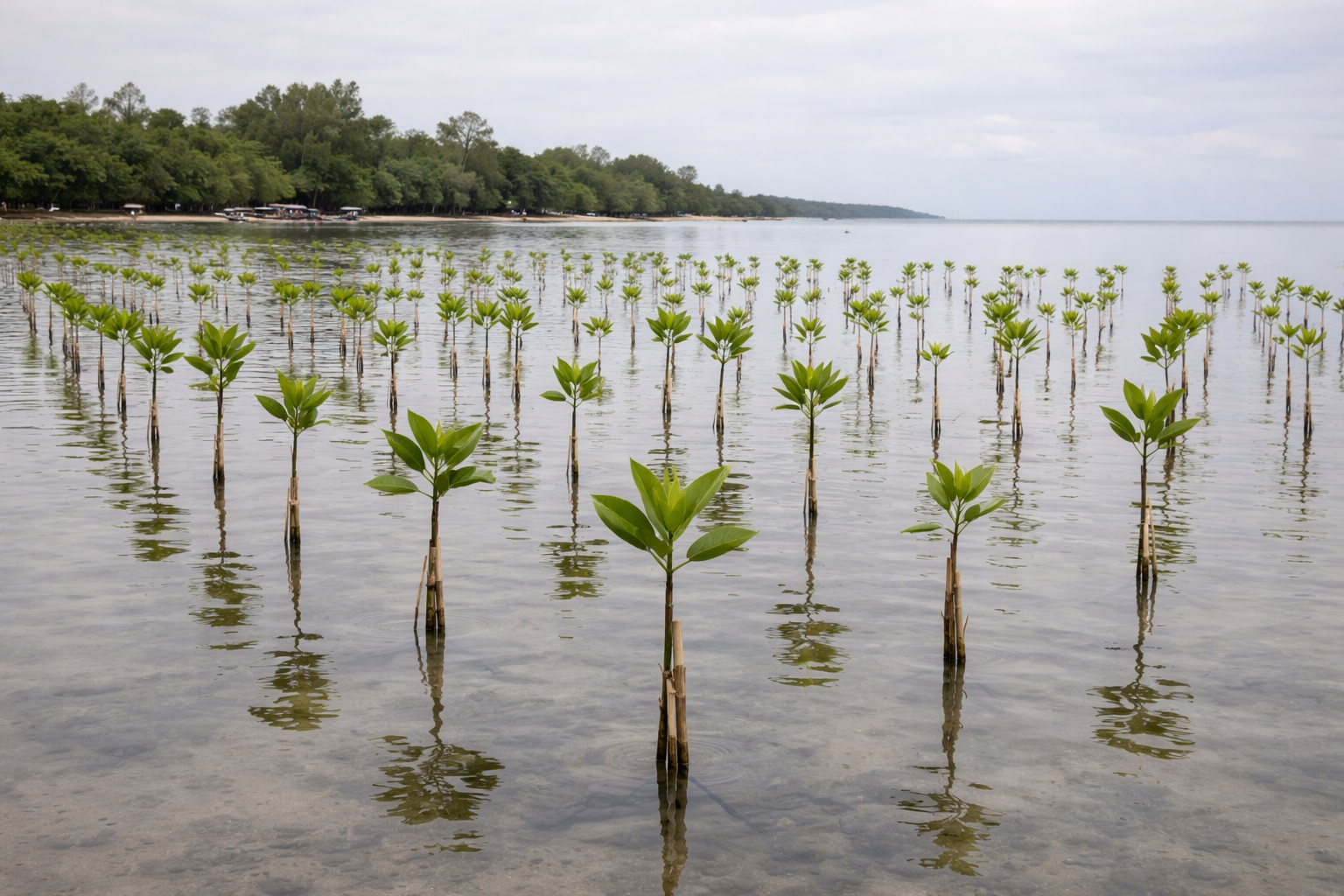
Mangrove & Coastal Food
What we are building
- Coastal employment through restoration and seaweed value chains
- Food products designed for transparency and responsible sourcing
- Circular packaging pilots rooted in seaweed materials
Pilot products under evaluation
- Seaweed noodles and dried seaweed products
- Fermented seaweed condiments
- Compostable seaweed-based packaging films
- Community-based refill concepts for dry foods
- Seaweed prepared ingredients for functional food applications